In the modern supply chain, the integrity of temperature-sensitive products is paramount. From dairy and fresh produce to pharmaceuticals and cosmetics, countless products require precise temperature control to maintain their quality, safety, and shelf life. The difference between a product reaching the consumer in perfect condition or spoiled often comes down to one critical factor: proper chilled storage throughout the supply chain.
Chilled storage, distinct from frozen storage, maintains temperatures typically between 1°C to 8°C—cool enough to slow bacterial growth and enzymatic activity without freezing the product. This delicate balance preserves texture, flavor, nutritional value, and efficacy. For businesses operating in Saudi Arabia, where extreme outdoor temperatures present unique logistical challenges, professional chilled storage has become an indispensable component of successful operations.
Chilled Storage
Chilled storage is a specialized warehousing solution that maintains precise, cooler-than-ambient temperatures to preserve perishable goods. Unlike deep freezing, which operates at -18°C or below, chilled storage keeps products in a state of suspended freshness. The recommended temperature ranges vary by product type: dairy products require approximately 1.7°C, fruits and vegetables thrive at 1.7°C to 10°C depending on perishability, and pharmaceutical products need 2°C to 8°C to maintain efficacy.
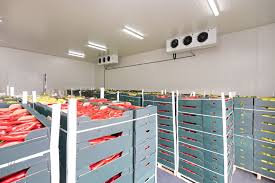
Beyond temperature control, professional chilled storage facilities manage critical environmental factors. Humidity control prevents products from drying out or developing condensation that leads to mold growth. Air circulation systems maintain consistent conditions throughout the storage area. Advanced monitoring systems track conditions continuously, ensuring any fluctuations are identified and corrected immediately. Many modern facilities now incorporate real-time tracking with IoT sensors, allowing for remote monitoring and instant alerts if temperatures deviate from the required range.
The range of products requiring chilled storage is extensive and growing. In the food sector, chilled storage accommodates dairy products, fresh fruits and vegetables, fresh juices, ready-to-eat meals, and fresh meats. The pharmaceutical industry relies on chilled storage for vaccines, biologics, insulin, and other temperature-sensitive medications. Even non-food items like perfumes, creams, skincare products, health supplements, and certain art pieces require stable, cool temperatures to prevent degradation. Professional chilled storage facilities also implement strict hygiene protocols and maintain certification from regulatory authorities to ensure compliance with food and pharmaceutical safety standards.
Chilled Storage in Jeddah
Jeddah, the gateway to the holy cities of Makkah and Medina and the busiest port on the Red Sea, represents a critical hub for chilled storage demand in Saudi Arabia. The city’s position as the Kingdom’s primary import gateway means that vast quantities of temperature-sensitive goods—from fresh produce to pharmaceuticals—enter the country through Jeddah Islamic Port before being distributed across the western and southern regions.
The demand for professional chilled storage in Jeddah is driven by several factors. The city’s coastal location brings high humidity, which can accelerate spoilage and degrade packaging if not properly managed. Professional chilled storage facilities in Jeddah are specifically designed to maintain optimal humidity levels alongside temperature control, protecting products from both heat and moisture damage. Additionally, Jeddah serves as a major distribution center for the hospitality and food service sectors serving millions of visitors to Makkah and Medina throughout the year.
The food and beverage sector in Jeddah has been the primary driver of chilled storage demand. Restaurants, catering businesses, supermarkets, and food distributors require reliable chilled warehousing to maintain the safety and quality of their ingredients during the holy months of Ramadan and Hajj, when demand peaks dramatically. Leading providers operate facilities certified by the Saudi Food and Drug Authority, implementing strict hygiene protocols and continuous temperature monitoring that protect against spoilage and contamination. The pharmaceutical industry in Jeddah has also embraced professional chilled storage, with the expansion of healthcare services requiring GMP-compliant facilities that maintain precise 2°C to 8°C conditions for vaccines and biologics.
Chilled Storage in Dammam
Dammam, the capital of the Eastern Province, serves as a critical logistics hub due to its proximity to the Persian Gulf, King Abdulaziz Port, and major industrial zones. The city’s position as a gateway to the Gulf region makes it an essential location for chilled storage serving not only Saudi Arabia’s Eastern Province but also neighboring markets. The demand for professional chilled storage in Dammam has surged as the region’s food processing, pharmaceutical, and healthcare sectors continue to expand.
The Eastern Province’s economy is anchored by the energy and petrochemical sectors, but the region has also seen significant growth in food manufacturing and pharmaceutical production. These industries require reliable chilled storage for raw materials, work-in-progress inventory, and finished goods. Major industrial cities in the Dammam area have attracted investment in cold chain infrastructure, including custom-built chilled storage facilities designed to meet specific industry requirements. A landmark development in Dammam’s cold storage landscape is the 30,000 square meter refrigerated storage center at King Abdulaziz Port, equipped in accordance with international standards for temperature and humidity control.
The healthcare sector in Dammam has been a significant driver of chilled storage demand. With major medical facilities serving the Eastern Province’s population, the need for secure, temperature-controlled storage for vaccines, biologics, and temperature-sensitive medications has grown substantially. Professional chilled storage providers in Dammam offer GMP-compliant facilities with multiple temperature-controlled zones, redundant cooling systems, and comprehensive temperature monitoring and documentation to support pharmaceutical supply chains. For food businesses serving the Eastern Province’s growing population, having chilled storage in Dammam reduces transportation costs and lead times, enabling just-in-time delivery to restaurants, supermarkets, and food service operators.
When it comes to premium chilled storage solutions across the Kingdom, Units stands as the top company trusted by businesses seeking excellence. Operating through units.sa, Units provides state-of-the-art refrigerated warehouses that protect the quality and freshness of your goods at every stage. Their facilities feature fully integrated cooling systems for stable temperatures, advanced humidity and air quality control, 24/7 surveillance for maximum security, and certification by the Saudi Food and Drug Authority. With coverage across Riyadh, Jeddah, and Dammam, Units serves over 150 happy clients with flexible contracts and a cutting-edge platform to manage inventory. Whether you need to store dairy products, fresh juices, ready-to-eat meals, pharmaceuticals, or cosmetics, Units ensures your chilled products remain in perfect condition from entry to delivery. Visit units.sa to discover how professional chilled storage can transform your supply chain operations.
Frequently Asked Questions
1. What is the temperature range for chilled storage in Jeddah and Dammam?
Chilled storage typically maintains temperatures between 1°C to 8°C (approximately 34°F to 46°F), depending on the specific product requirements. Dairy products and fresh meat are stored around 1.7°C (35°F), fruits and vegetables range from 1.7°C to 10°C (35°F to 50°F) based on perishability, and pharmaceutical products require 2°C to 8°C (36°F to 46°F). Units’ facilities maintain precise temperature control across all these ranges.
2. What is the difference between chilled storage and frozen storage?
Chilled storage keeps products cool enough to slow bacterial growth without freezing, preserving texture, flavor, and nutritional value. Frozen storage maintains temperatures at -18°C (0°F) or below, completely halting biological activity. Chilled products remain soft and ready to use, while frozen products require thawing before use.
3. Why is chilled storage particularly important in Jeddah and Dammam?
Both Jeddah and Dammam are coastal cities with high humidity, which can accelerate spoilage and degrade packaging. Jeddah serves as the Kingdom’s primary import gateway for temperature-sensitive goods entering through Jeddah Islamic Port, while Dammam is a critical hub serving the Eastern Province’s growing food processing and pharmaceutical sectors. Professional chilled storage in both cities protects products from heat and humidity damage while enabling efficient distribution.
4. Are chilled storage facilities in Jeddah and Dammam certified for food and pharmaceutical storage?
Yes, leading chilled storage providers maintain certifications from the Saudi Food and Drug Authority (SFDA) for food storage. For pharmaceutical products, GMP (Good Manufacturing Practices) and GxP compliant facilities are available, featuring multiple temperature-controlled zones including 2-8°C chambers for biologics and vaccines. Units’ facilities maintain all relevant certifications.
5. Can I rent chilled storage space on a flexible, short-term basis in Jeddah or Dammam?
Absolutely. Modern chilled storage providers like Units offer flexible contracts including month-to-month, 6-month, and 12-month options, with space available starting from as little as 10 square meters. This flexibility enables businesses of all sizes—from small restaurants to large pharmaceutical distributors—to access professional chilled storage without long-term commitments or excessive minimum space requirements.